Robotics history
The history of robotic technology spans from ancient automatons to modern AI-powered machines, with key milestones including the 1921 introduction of the word "robot" in a play, the invention of the first industrial robot (Unimate) in 1954, and the development of mobile and AI-equipped robots in the late 20th century. The field has evolved significantly from mechanical devices to sophisticated systems used in manufacturing, space exploration, medicine, and consumer electronics.
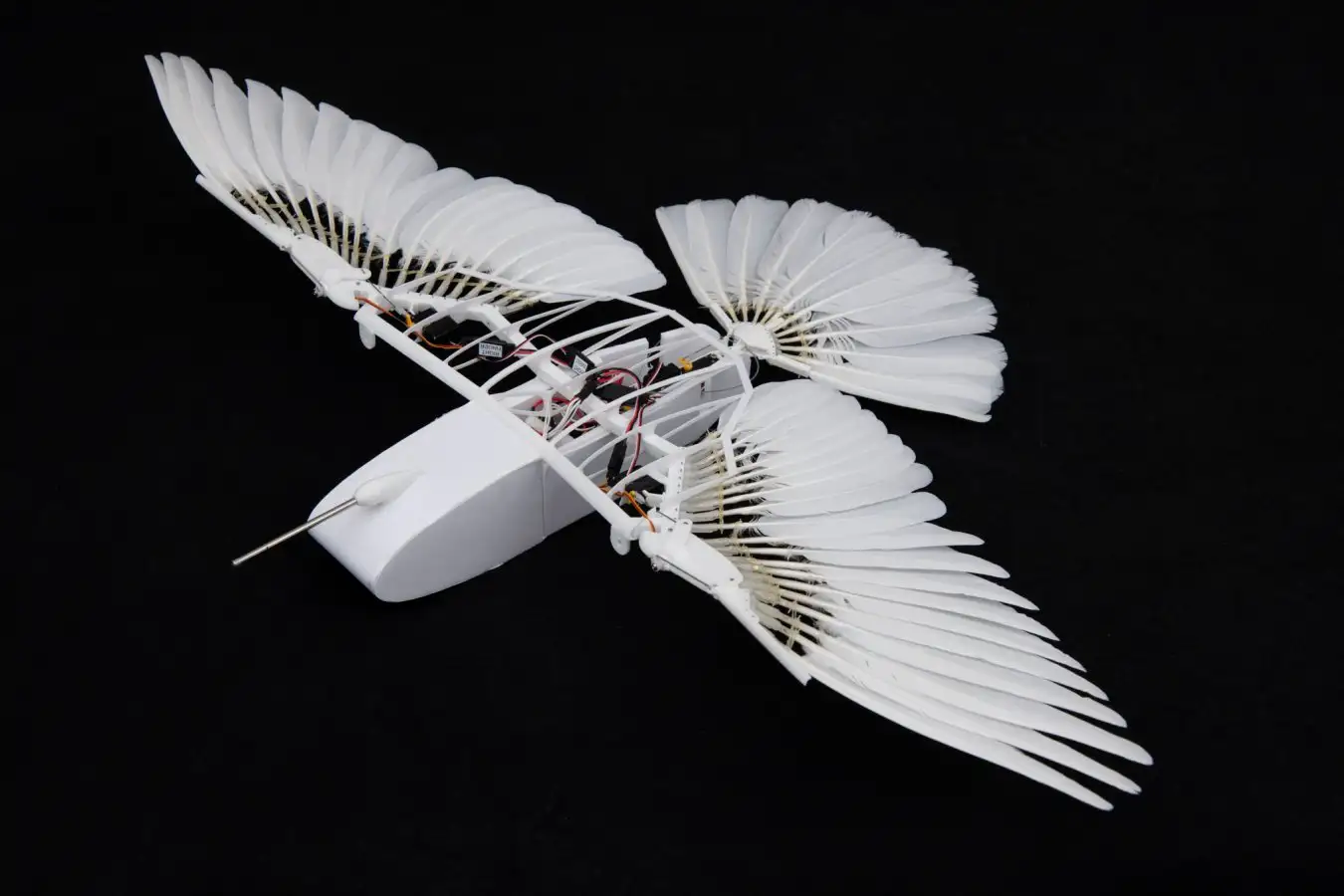
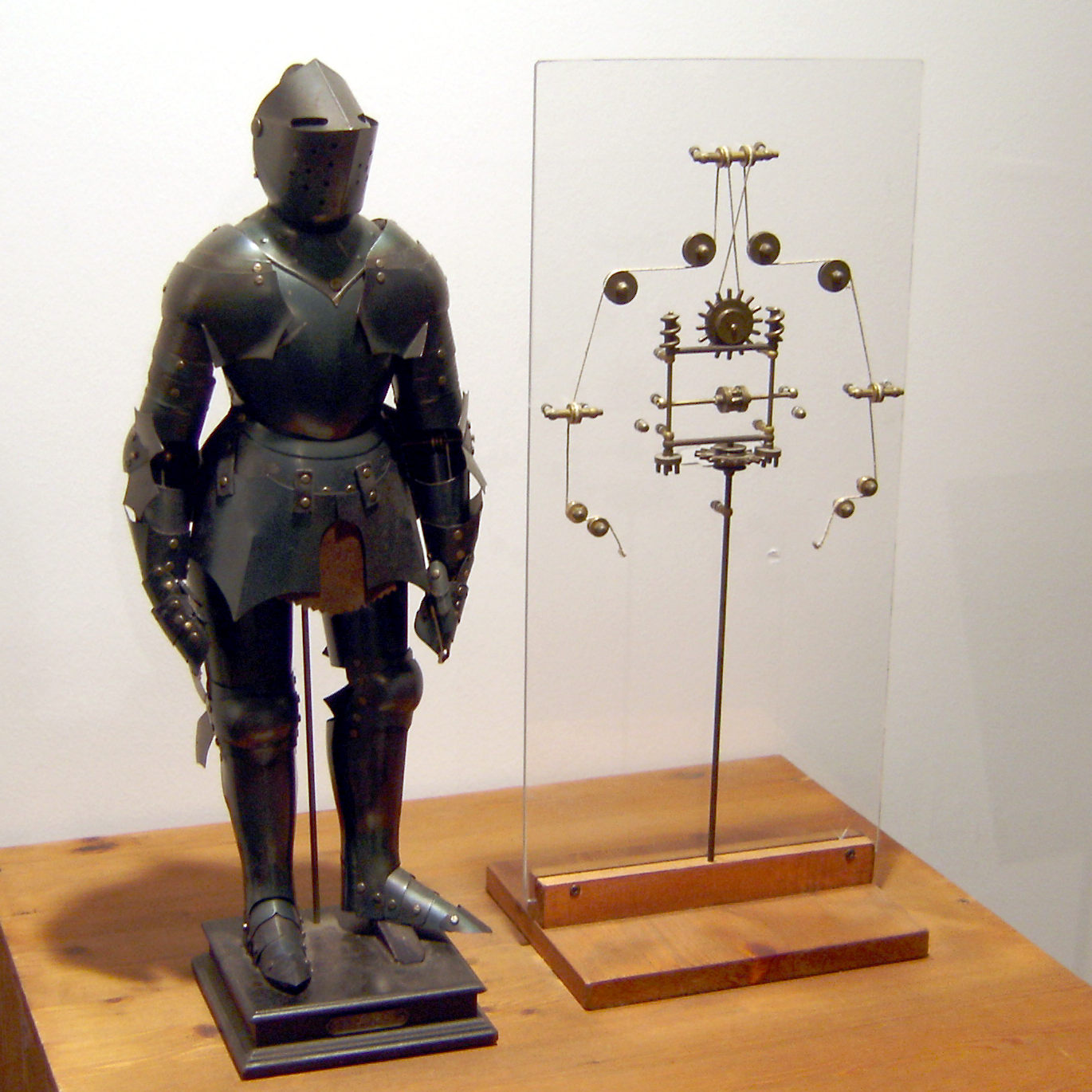
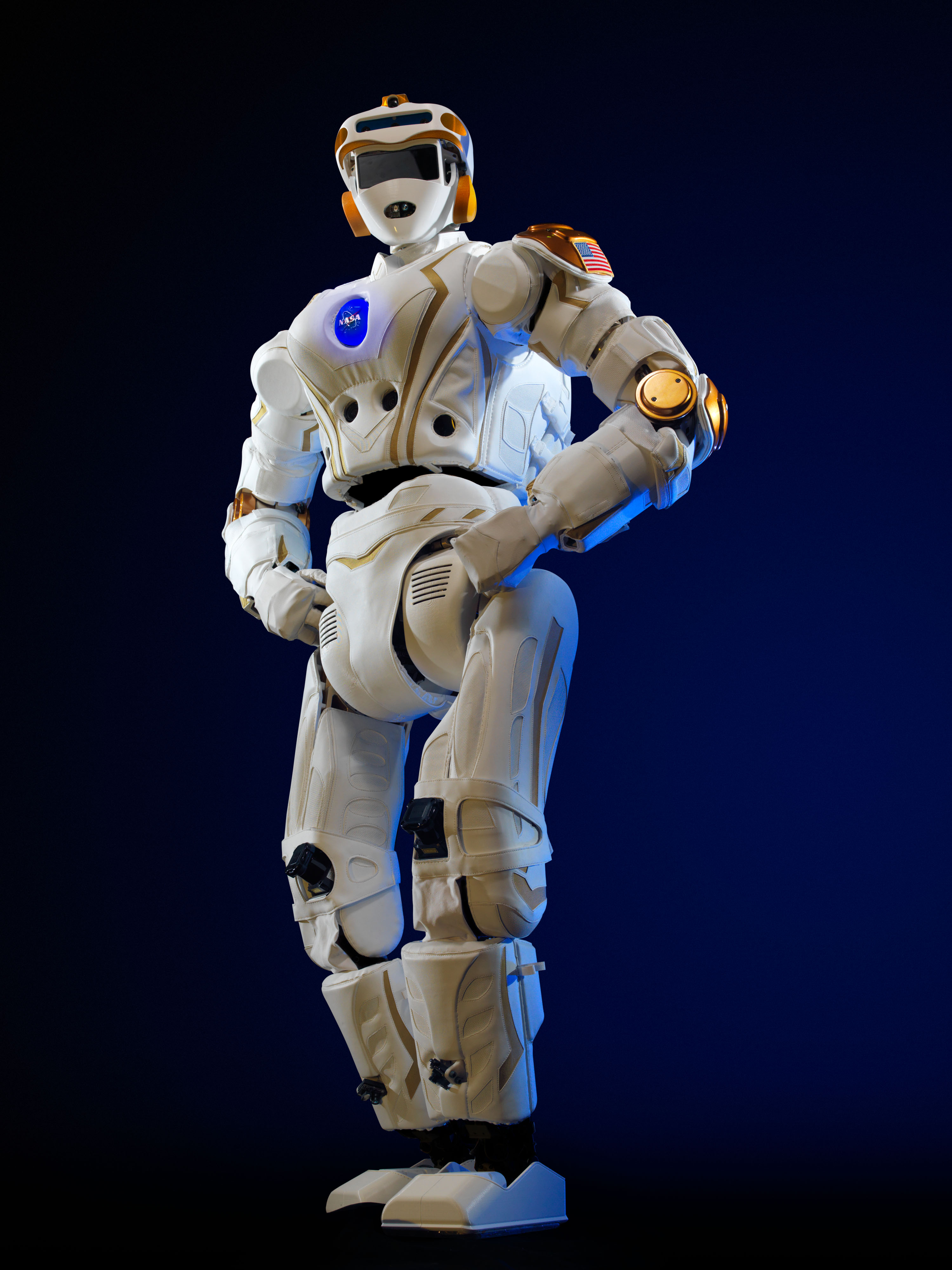

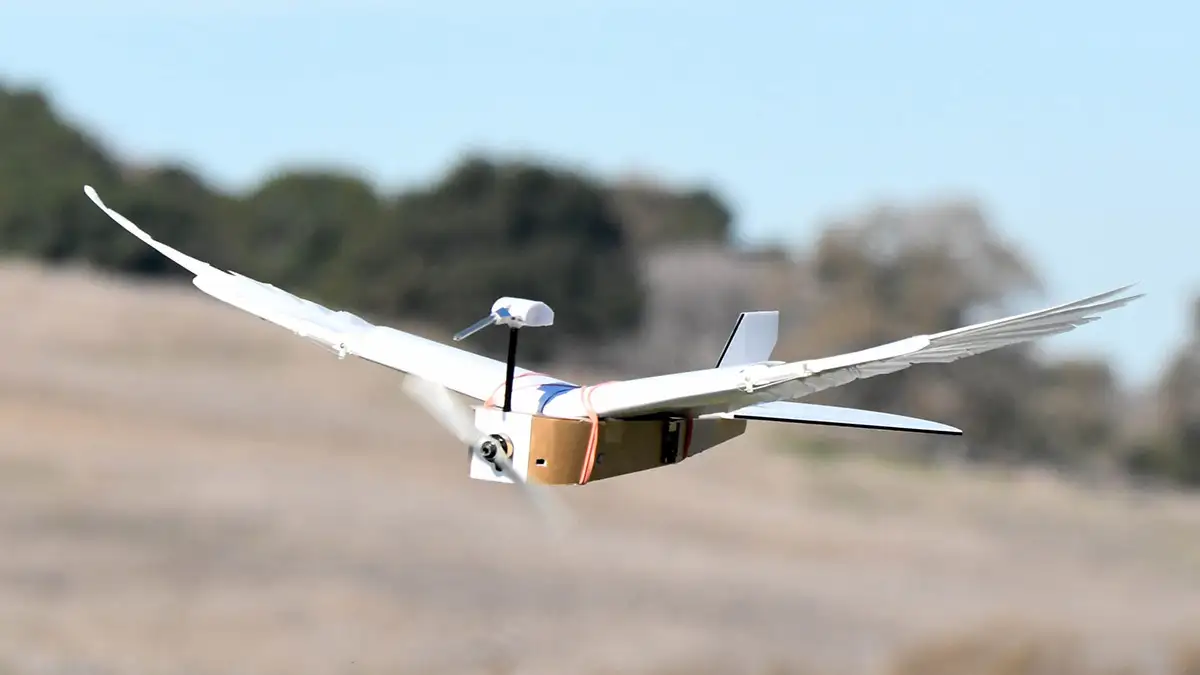
Around 420 BC , the inventor named Archytas of Tarentum created a divice called the Flying Pigeon . It was a wooden bird that was propelled by steam. The bird could move on its own, so it is considered the first self propelled flying machine in history , designed using ancient engineering technique .
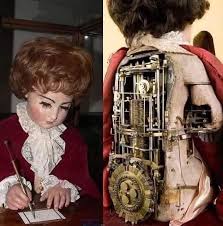
Third century BC and earlier, in China, some of the first descriptions of automata were documented.One of the earliest descriptions of an automation is found in the Lie Zi text.It tells about a meeting between king Mu of Zhou (1023 - 957 BC) and a mechanical engineer named Yan Shi who is described as an 'artificer'. He presented the king a life sized, human shaped mechanical figure. It was made by his own craftsmanship.
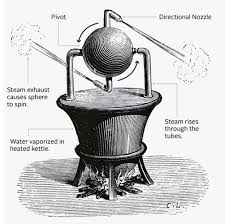
During the first century AD and earlier, brilliant inventors such as Ctesibius, Philo of Byzantium and Hero of Alexandria expanded the field. They described more than a hundred machines and automata collectively. Among their inventions were a fire engine, a wind organ, a coin- operated machine and a steam -powered engine.
18th century Jacques de Vaucanson created complex automata, including a "defecating duck" and a flute player, which captivated the public and reflected the era's mechanistic worldview.
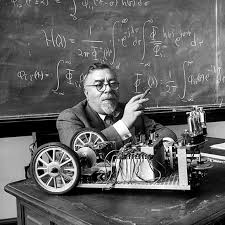
1949 Norbert Wiener's work on cybernetics laid the groundwork for controlling machines and developing more sophisticated systems that mimic biological functions.
Father Robotics Technology

Joseph F. Engelberger, an American physicist, engineer, and businessman, was responsible for the birth of one the most important and impactful industries, gaining him global recognition as the Father of Robotics.
In 1956, Engelberger met American engineer and inventor George C. Devol at a cocktail party where the two discussed the writer Isaac Asimov’s robot philosophies and Devol’s patent-pending Programmed Article Transfer device. Engelberger identified the device as a robot, the first ever, and conceived of how it could be used in manufacturing, in particular to perform jobs dangerous to humans.
Forging an historic partnership, Engelberger began work with Devol to get his robotic device developed. In 1957 Engelberger convinced Norman Schafler, CEO of Condec Corp., the parent company of Consolidated Controls, a firm founded and directed by Engelberger, to finance the development of Devol’s invention.